What Makes a Restaurant Great for Client Entertaining (Beyond “Quiet and Expensive”)
- titurestaurant
- 2 days ago
- 6 min read
What defines the right restaurant for client entertaining beyond price and noise level?
A great restaurant for client entertaining balances atmosphere, menu, service and rhythm in a way that supports conversation, maintains professional ease and adapts to various dynamics without distraction or formality.

The Role of Atmosphere in Setting the Tone
The feeling of a space often speaks before anyone at the table does. A restaurant’s atmosphere frames the interaction, affecting focus, comfort and engagement.
Lighting should be warm without being dim, allowing faces to remain visible without crowding the table in harsh brightness. Poor lighting makes a table feel isolated or exposed. Meanwhile, spacing between tables creates a buffer that encourages privacy without silence. Tight spacing especially works against conversational ease, particularly when sensitive topics or quiet tones are part of the meeting.
The best restaurant acoustics create background energy but keep voices distinct. Conversation-friendly spaces often use soft furnishings and strategic layout to control sound. A low hum signals liveliness, but sharp clatter or booming music pulls focus from the guests across the table.
Seating arrangements also contribute directly to flow. Banquettes feel relaxed; smaller round tables can soften formality. What matters most is a space where one can speak, hear and shift the tone without needing to recalibrate the environment. Silence can feel sterile, but an excessive buzz dissolves the sense of control.
In Mayfair, preferences lean toward calm confidence. Subtle design decisions signal sophistication more effectively than opulence. A well-considered dining environment puts the focus gently back on the people at the table.
Menu Design That Supports Conversation, Not Interrupts It
A well-pitched menu does more than serve food. It reduces effort, supports conversation and sustains the natural rhythm of the meal. Complex, tightly formatted menus can interrupt the flow early and often.
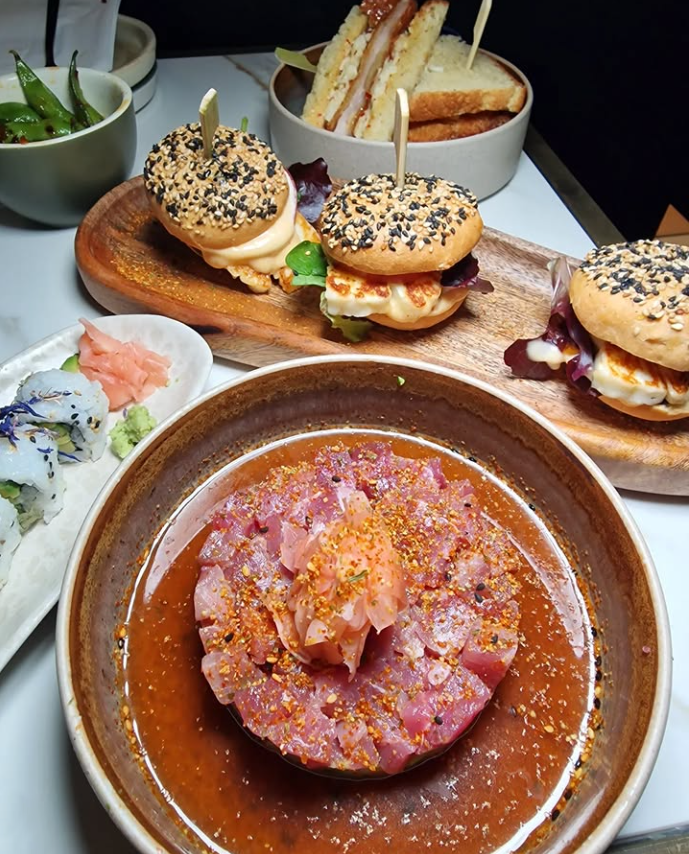
Menus built around shared plates lend structure without prescribing formality. They allow for lighter decision-making and encourage dialogue rather than menu scrutiny. Restaurants like TITU use this principle to loosen the experience while keeping a sense of intention. Guests can order confidently, knowing the table will remain engaged and the food will arrive in thoughtful progression.
Equally important is how the menu flows. Long pages filled with competing formats or unclear categories turn dinner into a project. A concise, well-organised offering speeds the decision process and avoids awkward pauses.
Clarity around dietary accommodations matters too. Discreet symbols and clearly marked vegetarian, halal or gluten-free options reduce friction and avoid back-and-forth with staff on sensitive topics. When a guest feels supported by the menu, the atmosphere remains professional but unforced.
Watch for the following:
Overly long menus that pull attention away from dialogue.
Irregular dish pacing that derails conversation rhythm.
Missing or vague dietary markers.
Cuisine that feels built for spectacle rather than flow.
A client dinner requires a menu that helps the event breathe, not a structure that breaks its rhythm.
Service That Knows When to Step In, and When Not To
The finest service is often the least noticeable. It does not draw attention but keeps the table moving, replenished and comfortable.
Attentiveness should feel intuitive rather than persistent. Water is refilled without comment. Empty plates disappear during a pause in conversation rather than mid-sentence. The bill appears only when requested, and never rushed. These are small moments, but they shape the arc of the evening.

Professional service also adjusts with awareness. For client meals, staff who recognise the need for space, who intuitively check for time constraints or seem to anticipate pacing preferences create an atmosphere of quiet competence. Flair is unnecessary. Consistency and presence matter more.
Consider how TITU achieves this through service that shadows rather than steers. Staff respond to unspoken cues. They tune timing to how the table interacts. For guests managing both relationship-building and social propriety, this kind of hospitality keeps the tone intact.
Compare: Supportive service
Appears when needed, vanishes when not
Adjusts pace to guest interaction
Handles requests efficiently and quietly
Disruptive service
Overexplains each dish
Interrupts or speeds conversation
Visits the table on a rigid schedule
Service drives confidence. When it works, the host can focus on the client, not the mechanics of the meal.

A Drinks Programme That Complements, Not Competes
Drinks play a supportive role in client entertaining. The goal is cohesion, not centre stage.
Balanced cocktails, subtle wine selections and thoughtful non-alcoholic alternatives help maintain an even rhythm across pace, palette and tone. Loud drinks, whether due to strength, garnish or presentation, can fracture the flow.
In a setting like TITU, drinks are designed to accompany the meal rather than direct it. Cocktails often use yuzu, sake or tea-based profiles with moderated alcohol content so that conversation and food remain central. A concise wine list avoids overwhelm and encourages trust in the curation.
Offering elegant alcohol-free options also signals care. It allows every guest to participate equally, avoids awkward choices and feels inclusive without announcement.
What to value:
Drinks that quietly fit the menu
Cocktails that improve without dominating
Options that respect personal or cultural preferences
Service that keeps drinks replenished without interrupting
A supportive drinks selection helps the client dinner keep moving and remain focused, without detours into showmanship or overindulgence.
A Setting That Signals Thoughtfulness Without Flash
The best client venues convey tone before the menu arrives. In client entertaining, subtlety is often more persuasive than scale. A setting that feels considered, where ambience, lighting and service cohere, communicates professionalism and care. A loud, visually dramatic venue might impress once, but often feels out of place when the content of the meeting matters.
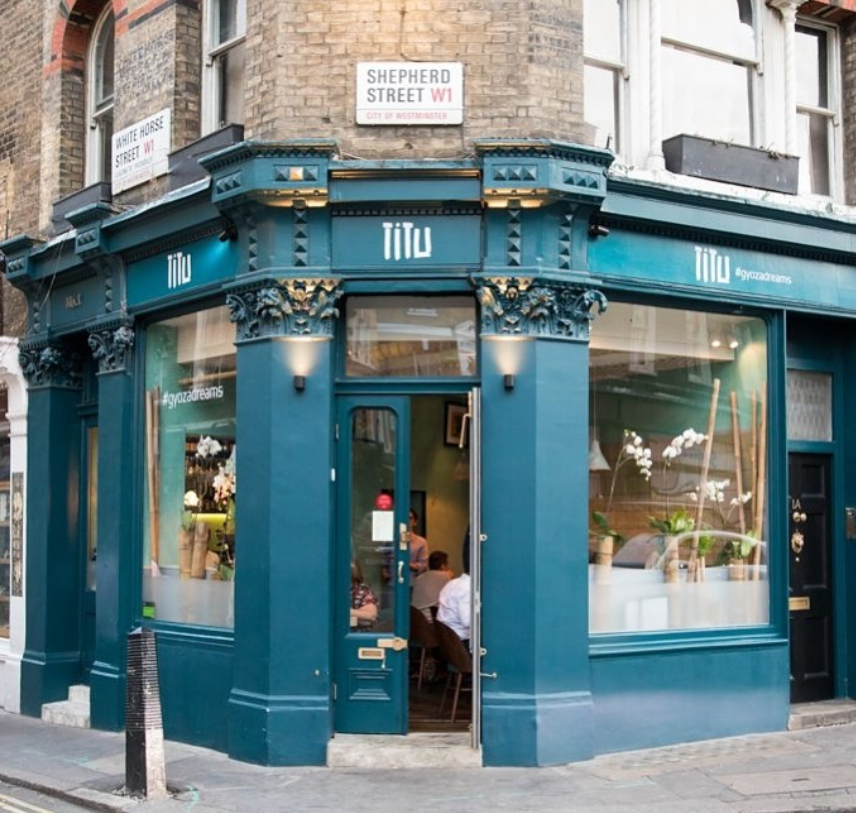
Restaurants located in established precincts such as Mayfair naturally benefit from their surroundings. But tone matters more than postcode. A front entrance that's calm, a room that absorbs noise without dampening energy, and staff who welcome without fanfare, all contribute to a sense of arrival that suits professional dining.
TITU in London reflects this balance. The exterior is unassuming, the interior deliberate without ostentation. The atmosphere suggests guests are expected, not dazzled.
Look for:
Entrances that feel accessible, not grand
Rooms built for comfort rather than theatre
Staff presence that reads as confident, not rehearsed
An energy that signals welcome without spectacle
A thoughtful venue helps the meal feel intentional rather than transactional. It says enough without needing to say too much.
Flexibility to Suit Different Client Dynamics
Client entertaining is rarely one-size-fits-all. A useful venue recognises this and adapts without drama.
Lunch meetings might swing from efficient to exploratory, while dinner could require formality for some and a softened tone for others. The restaurant’s layout, service rhythm and menu design should be able to flex to that variability.
This means flexible table sizing, unobtrusive dietary accommodations and staff who can subtly read the nature of the interaction. At places like TITU, it is not unusual for a midday meeting to wrap in under an hour or an evening table to stretch into a second round of tea. Both outcomes are handled with equal ease.
Signs of flexibility:
Clearly segmented areas for different group sizes
Pacing that adapts to the guests’ tempo without being asked
Menus that accommodate without overpromising
Staff who guide without leading
Flexibility avoids friction. The best venues support the host without needing to be instructed.

A Sense of Flow That Lets the Evening Unfold
All client dinners follow a quiet arc, from greeting and settling to food, conversation and close. When a restaurant gets the flow right, that progression feels instinctive. The host does not need to manage it.
Good pacing is not about speed. It is about rhythm. Dishes arrive neither rushed nor delayed. Transitions between courses occur naturally. Guests are guided by soft cues rather than directives. They feel free to linger without being forgotten, and know they can finish without having to ask twice for the bill.
TITU maintains a flow that works for different lengths of visit. Dishes appear in steady waves, cocktails and teas mirror that pace, and the room makes space for quiet pauses as well as laughter. The result is an evening that feels allowed to unfold, rather than pushed to milestones.
A few reliable flow indicators:
No long silent stretches between service steps
No stacking of plates that signals pressure to leave
Attentive but infrequent check-ins as the meal progresses
Smooth transitions that match the energy of the table
A restaurant’s rhythm need not be noticed to be appreciated. But when done right, it allows everything else to do its work. Client entertaining thrives in places where time can stretch or contract naturally, leaving both host and guest with clarity and ease.


Comments