
Sake vs Cocktails With Asian Food: What Actually Works
9 hours ago
4 min read
0
0
0
What makes pairing drinks with Asian food so challenging?
Matching drinks with Asian meals can be tricky because many dishes combine umami, sweetness, acidity, salt and fat all at once. This balance of flavours makes it hard to rely on the usual wine pairing rules, which often focus on enhancing or balancing a single dominant note. Instead of supporting the dish, the wrong drink can end up distracting from it.

Asian cuisine is incredibly diverse. Thai dishes often lean into sweet, sour and spicy notes. Japanese cooking focuses on clean, savoury flavours with minimal distraction. Vietnamese dishes can feature light broths and fresh herbs, while Korean flavours tend to layer fermented spice with bold umami. A shared element in many of these cuisines is fermentation. Ingredients like soy sauce, miso and fish sauce bring deep savoury layers that complicate alcohol pairing logic.
It is not just the ingredients that affect pairing - the way dishes are prepared matters as well. Sauces, glazes and marinades can shift a dish’s flavour architecture with every bite. A wine that seems fine at first might clash halfway through. Cocktails may cut through spice but drown out lighter textures. Feeling uncertain at the table is understandable. These dishes do not follow predictable rules, and that makes perfect sense.

What Sake Is Designed to Do at the Table
Sake, also called nihonshu, was made to sit alongside food. Unlike spirits, it is brewed like beer or wine, so it keeps more water content and has a lower alcohol level. That softer structure is deliberate. Sake’s role is to support the meal, not compete with it.
Kōji mould is essential in sake brewing. It converts rice starches into sugars during fermentation, giving the drink a mild sweetness and depth that complements umami-rich foods. Junmai sake tends to have a fuller body and earthy tone. Ginjo and Daiginjo varieties feel lighter and more refined.
Sake’s serving temperature can vary. Warm sake pairs well with hearty, umami-based dishes. Chilled sake works as a palate cleanser and provides a refreshing lift between bites. Its texture is typically rounded and soft, with little alcohol burn. Rather than stand out, sake blends in. This makes it a highly effective option when considering drink pairing with Asian food.

What Cocktails Bring That Sake Doesn’t
Cocktails introduce contrast. They are made from distilled spirits, so they are stronger, and they often include citrus, sugar, bitters or herbs. These elements bring brightness, aromatic lift and flavour dominance. Cocktails act as clear interventions rather than background partners.
Aromatic ingredients affect how we perceive flavour before we even sip. Cocktails can highlight spice, refresh a rich sauce or lift sweetness. Their acidity and intensity offer a strong counterbalance to sticky, caramelised or spicy food.
However, boldness can backfire. Strong cocktails may overpower delicate textures or interfere with fermented notes. When done thoughtfully, a cocktail brings structured contrast and helps avoid palate saturation. When done casually, it risks overwhelming the dish.

When Sake Works Better Than Cocktails
Sake is best suited to dishes with subtlety. When food features delicate proteins, gentle broths or fermented elements, sake offers harmony. Its low alcohol and soft finish protect the food’s structure and highlight savoury continuity.
Sashimi, miso-based soups or tofu benefit from sake’s approach. There is no alcohol heat to interrupt. Sake supports the flavour layering and allows umami to build naturally. Its mouthfeel balance plays a key role in keeping textures intact.
Cocktails could clash in these settings, masking nuance with sharpness or sweetness. Sake keeps the focus on the food. It lets the structure unfold without interruption, and its lingering finish complements quiet complexity.
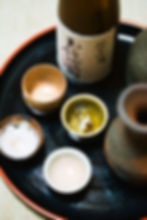
When Cocktails Earn Their Place With Asian Dishes
Cocktails make sense when a dish leans into boldness. Glazed meats, spicy noodles or fusion dishes with Western-style richness often benefit from the acidity, aromatics and flavour contrast that cocktails provide.
Drinks with balanced sourness or bitterness can cleanse the palate and prevent fatigue. A thoughtful cocktail brings palate refresh and structural contrast that enhances the meal. This is especially true when the food is rich or assertive.
The key is moderation. Overly sweet or gimmicky drinks disrupt the experience. The best cocktail pairings are intentional. They are shaped around the dish’s needs and the diner’s sensitivity to flavour. Understanding how drinks interact with savoury flavours helps create more confident pairings.
How to choose between sake and cocktails without overthinking it
Choosing between sake and cocktails is not about finding the perfect answer. It is about recognising what the dish suggests and how you prefer to balance flavours.
Delicate, umami-driven dishes usually lean towards sake. Grilled, spicy or sweet-savoury plates may invite a cocktail. Your own preference plays a role as well. It depends on how much contrast or calm you want from your drink.
Modern menus, especially those blending Japanese, Vietnamese or Southeast Asian ideas with European techniques, often accommodate both options. A dining experience in places like TITU Mayfair might feature both subtle and expressive elements. Either sake or cocktails could make sense, depending on the moment.
Confidence matters more than correctness. The best drink pairing decision is the one that keeps the meal flowing and your palate comfortable. Quiet judgement, not rigid rules, is often the better guide when choosing the right drink for your plate.


